How to Train Your Staff to Operate Industrial Robots Effectively
Industrial robots are changing manufacturing. They can do tasks like welding, assembly, and moving materials very accurately.
But to get the best results from them, employees need good training.
Robot training keeps people safe and makes work faster and better.
The best training mixes theory (learning the ideas) with hands-on practice (actually using the robot). This helps employees understand how things work and how to do the job well. Knowing automation basics is the key to using robots effectively.
After training, employees can fix problems and take care of the machines themselves.
Good training creates a safer workplace, increases output, and saves money.
This article uses RBTC’s all-in-one robot solutions and training services as an example. It explains the main ideas, benefits, and practical steps for robot training.
The goal is to help companies save money, work more efficiently, and get a fast return on their automation investment.
I. Why Industrial Robot Training Matters
Robot training is the most important step to move successfully to automation. Well-trained workers run robots smoothly and keep downtime very low.
Good training builds employee confidence and makes them work better. They can handle difficult tasks and unexpected problems. The main benefits are:
Safer work (fewer accidents)
Higher productivity and better accuracy
Lower costs overall
Better machine care (robots last longer)
Training is a smart investment. Trained employees make robots perform at their best and even come up with new ideas. Daily work becomes safer and more efficient. As technology improves, ongoing training becomes even more important.
II. What Makes Robot Training Effective
A good training program should cover several key areas so employees clearly understand their jobs.
First: Learn the basics (theory)
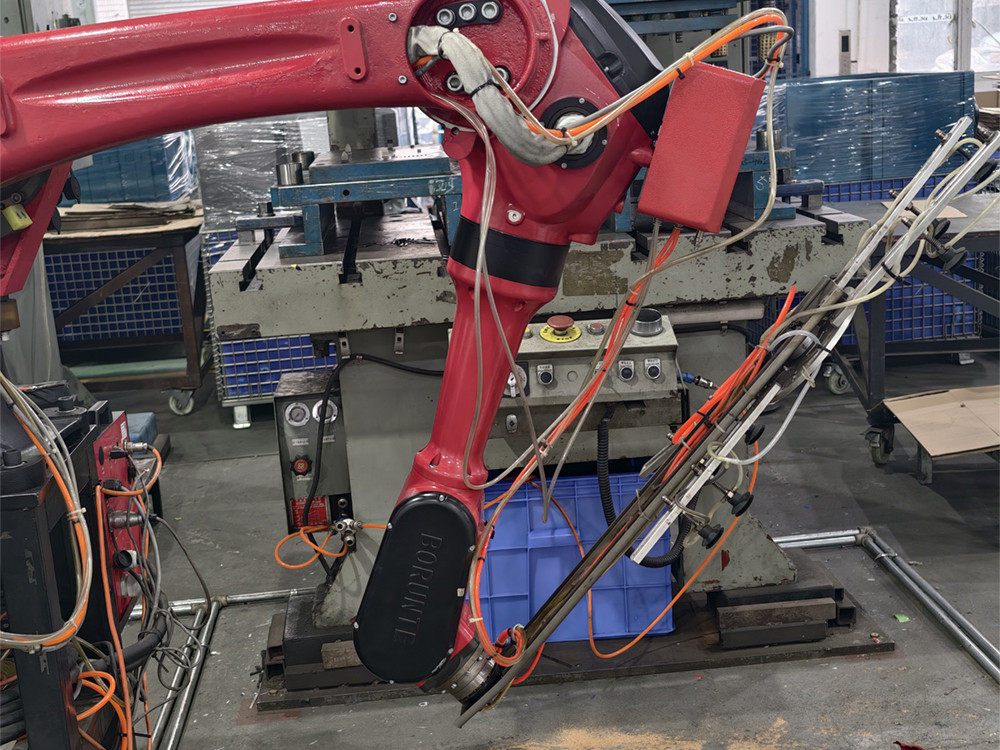
Teach how robot parts work, what automation means, and how control systems operate. This helps people understand why robots move the way they do and where they work best.
Second: Lots of real practice
Theory alone is not enough. Employees must use simulators and real robots to build skills and feel confident.
The most important parts of training include:
Basic knowledge of automation
Hands-on robot operation practice
Safety rules and how to handle emergencies
Programming, maintenance, and fixing problems
Connecting robots to other machines
Safety is always number one. Training must teach safety rules and emergency steps to keep everyone protected.
When you focus on these areas and customize training for your factory’s real needs, you build a strong, flexible team.
III. How to Build a Good Training Program
Start by understanding what your company really needs. Make sure the training matches your goals and the type of robots you use.
RBTC offers complete robot solutions and provides both online and in-person training. They create special training for specific tasks (like welding or stacking).
The method is simple: first teach the basic knowledge, then do lots of real-world practice cases. This helps employees learn robots quickly.
IV. Hands-On Practice: Turning Knowledge into Skill
RBTC believes real practice is the most important part of robot training.
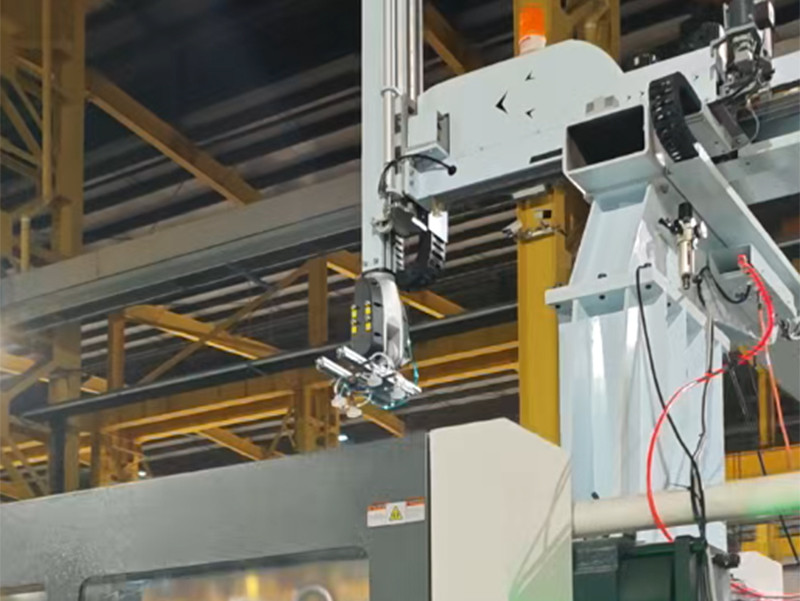
When employees use what they learned in real situations, they understand better and feel more confident. Practice helps them master robot operation.
Through hands-on work, they learn how to handle unexpected problems safely and quickly. Learning by doing is very powerful for building skills.
To make practice effective:
Have experts guide and supervise
Use real robots (with professional supervision)
Practice solving problems in situations that feel like real work
This kind of training prepares employees for actual jobs while keeping safety first. It also helps them understand robot features and controls deeply.
V. Safety Rules and Emergency Plans
Safety is the top priority in robot training. When everyone knows and follows the rules, the workplace stays safe. Good training prevents accidents and injuries.
RBTC includes emergency plans in every training program.
Employees must learn how to spot dangers quickly and handle sudden risks.
Key safety training points include:
How to use the emergency stop and shutdown
Understanding safety fences and safe zones
Regular drills for emergency situations
When safety becomes part of the training, companies build a strong “safety first” culture. This approach reduces risks and helps everyone respond fast if something goes wrong, protecting both people and equipment.
VI. How to Know If Training Worked — and How to Keep Improving
You need to check if training made a difference. Regular checks show what’s working and what needs fixing. Look at results and ask for feedback.
Use these simple measures:
Numbers you can see:
Is production faster?
Are there fewer defective products?
Is machine downtime shorter?
Are there fewer safety incidents?
People’s opinions:
Are employees more skilled at operating robots?
What do they say about the training?
What do supervisors notice?
Automation takes time. Build a habit of continuous learning. Encourage experienced workers to share tips and problem-solving ideas. This makes the whole team stronger and helps reach long-term goals.
VII. Final Thought: Robot Training Is a Key Investment
Buying robots is only the beginning. Only with good, systematic employee training can you get the full value from your robots. Without training, machines may sit unused, work slowly, or cause safety issues.
Even more important: training builds a team that knows how to use automation. This sets your company up for long-term success.
So when choosing a robot supplier, make “training services” a big factor. Pick companies like RBTC that offer custom, full-support training. This way you get both great equipment and a skilled team.
Contact RBTC today to get cost-effective robots and solutions tailored for your factory!