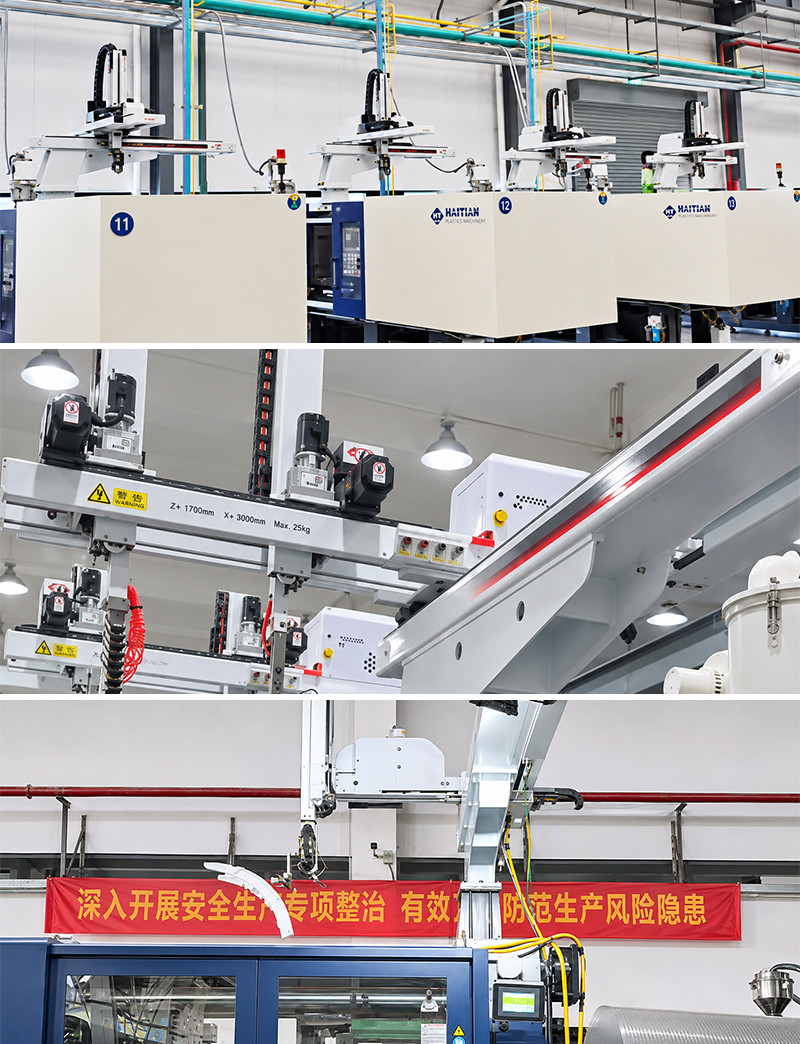
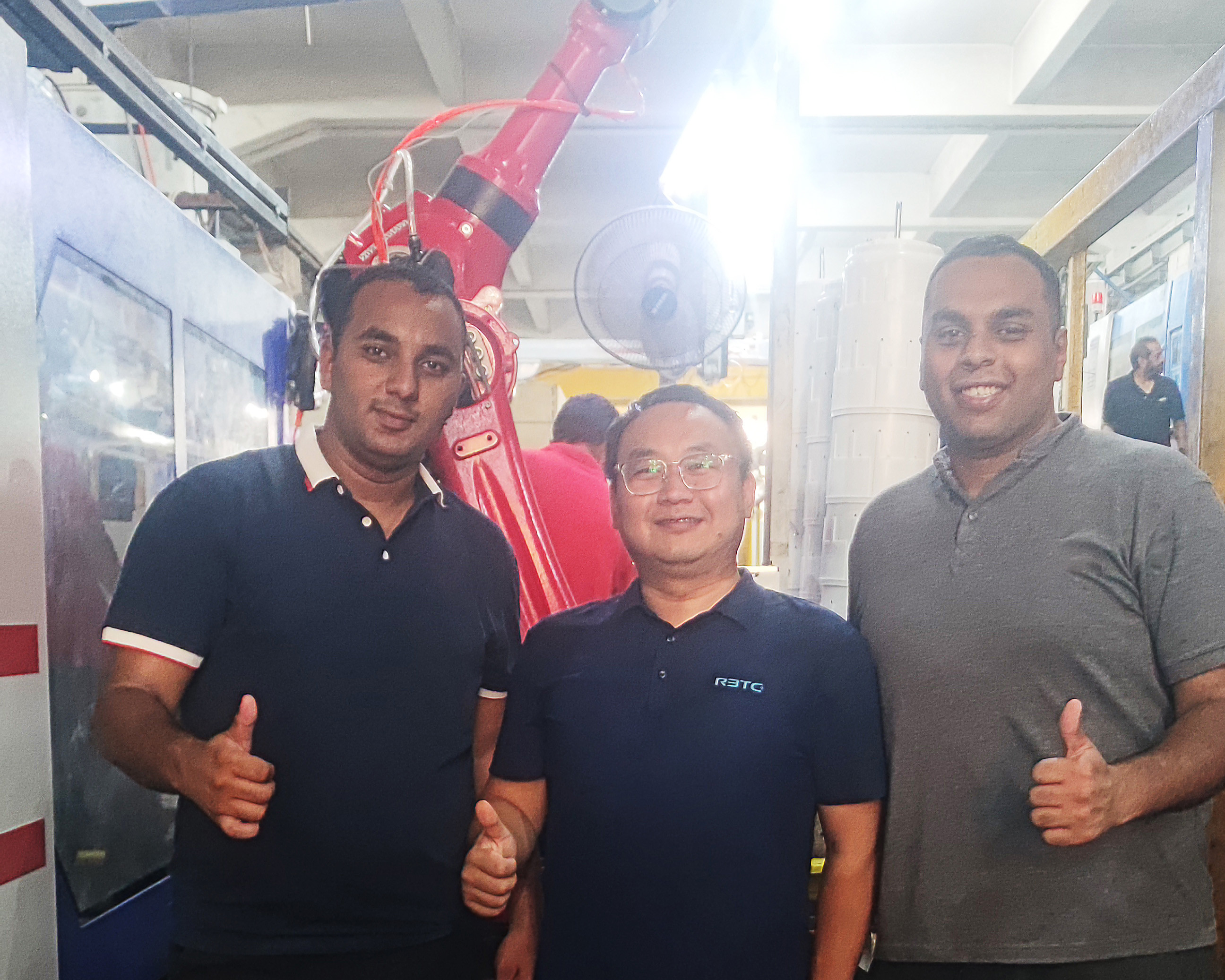
How to Choose the Right Injection Molding Robot for Your Machine
Choosing a robot involves more than checking machine tonnage. The factors below are the points our engineering team reviews before recommending an injection molding robot configuration.
| Selection Factor | What to Consider |
|---|
| Machine specifications | Machine brand, model and clamping tonnage |
| Part and tooling weight | Total weight of the molded part plus end-of-arm tooling |
| Working stroke | Required vertical, traverse and crosswise movement |
| Mold clearance | Available space for safe robot entry and withdrawal |
| Cycle requirements | Required take-out time and overall production cycle |
| Part geometry | Size, shape, gripping points and surface requirements |
| Machine interface | Electrical and communication compatibility with the molding machine |
| Downstream handling | Conveyor, cutting, stacking or additional processing requirements |
Not Sure Which Robot Fits Your Machine?
Share your injection molding machine specifications, molded part information and target handling process. Our team can help evaluate suitable injection molding robot options before you commit to a purchase.
Get Robot Selection Assistance
Injection Molding Robot Challenges We Help You Solve
Most purchasing problems in injection molding automation come down to fit, tooling, coordination, supplier management and after-sales support. Here is how we address each one.
Challenge 01
The Robot Does Not Fit Your Machine or Mold
An unsuitable stroke, payload or installation configuration creates handling limits and integration problems after delivery.
How RBTC helps: we review machine specifications, mold clearance, workpiece dimensions, total handling weight and production requirements before recommending equipment.
Challenge 02
Standard Grippers Cannot Handle Your Parts
Irregular shapes, special gripping points and delicate surfaces often need more than standard robotic tooling.
How RBTC helps: our engineering team supports customized EOAT, specialized grippers and non-standard fixtures built around your workpieces and handling sequence.
Challenge 03
Robot and Equipment Are Not Coordinated
Robot take-out, mold opening, conveyors and downstream equipment must work within one coordinated production sequence.
How RBTC helps: we support robot programming, application assessment, interface planning and system integration for project-specific coordination requirements.
Challenge 04
Multiple Suppliers Make Projects Hard to Manage
Sourcing robots, tooling and auxiliary equipment separately adds communication and technical coordination work.
How RBTC helps: robot equipment supply, custom tooling and related automation engineering are coordinated within one agreed technical and commercial scope.
Challenge 05
After-Sales Support Is a Purchasing Concern
Industrial buyers need technical documentation, help with equipment setup and support when operating issues arise — especially on cross-border orders.
How RBTC helps: we provide technical documentation, remote assistance, programming guidance and troubleshooting support. Installation, commissioning and operator training can be discussed for applicable projects.
Next Step
Send Us Your Production Requirement
Machine tonnage, part drawing, required cycle time and handling process are usually enough for us to propose a workable injection molding robot configuration.
Describe your project to our engineers
Custom Injection Molding Robot Automation Solutions
Standard robot equipment cannot cover every application. Some lines need customized gripping, special part positioning, extra processing stations or integration with equipment already installed.
Custom End-of-Arm Tooling (EOAT)
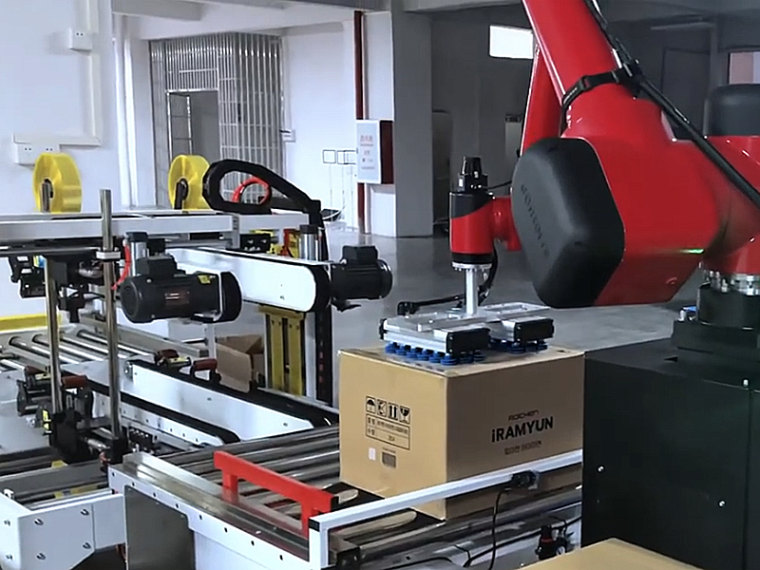
The end-of-arm tooling determines how a robot grips, holds and transfers molded parts. We design and configure EOAT around workpiece geometry, weight, gripping points and required movement.
- Vacuum suction grippers
- Mechanical gripping systems
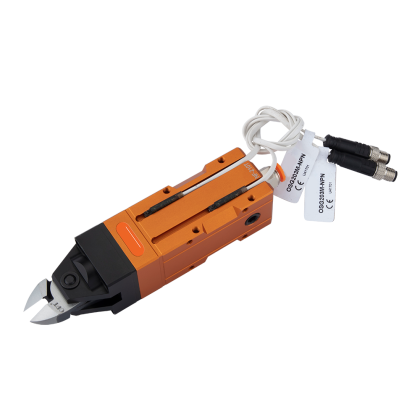
- Air nippers and sprue-cutting tooling
- Custom end effectors and non-standard fixtures
Explore EOAT and end-of-arm tooling
Non-Standard Auxiliary Equipment
For applications that need additional handling or processing, we support the development of non-standard auxiliary equipment and customized fixtures, including part receiving equipment, transfer arrangements and positioning fixtures.
These components are prepared together with the robot, so the whole handling sequence is planned as one system rather than separate purchases.
See application solution capabilities
Robot Programming and System Integration
A complete solution requires coordinated operation between the robot, the injection molding machine and supporting equipment. We support application-specific programming, compatibility assessment, layout planning and integration.
Review our automation engineering scope
Installation, Commissioning and Operator Support
Technical assistance covers equipment installation, commissioning, operating parameters and troubleshooting. On-site service and operator training can be arranged according to project requirements and agreed service conditions.
View air nipper and sprue-cutting tools
Injection Molding Robot Supply for B2B Buyers
Injection molding factories, equipment distributors, OEM customers and automation integrators buy injection molding robots for different reasons. Support is structured around the purchasing model you actually use.
Plastic Molding Manufacturers
Upgrade existing machines or equip new molding lines with automated part removal. We assist with robot selection, compatibility assessment, tooling requirements and equipment configuration.
Robot Distributors and Wholesale Buyers
Source injection molding robots for resale or coordinated multi-unit purchasing. We clarify models, quantities, specifications, shipping destinations and commercial terms.
OEM Customers and Machine Builders
Explore robot supply and equipment integration options for machine packages and industrial automation projects, with the technical scope reviewed before cooperation.
Automation System Integrators
Source servo take-out robots and discuss customized tooling, programming and engineering support for integration into larger automation systems.
Need Multiple Robots or a Custom Supply Proposal?
Send the required models, estimated quantities, target market and technical specifications. We will respond with a quotation structure and delivery arrangement.
Request a Bulk Order Quotation
Injection Molding Robot Project Workflow: From Requirement to Delivery
A structured process keeps robot purchasing and automation projects predictable, from the first requirement review to equipment delivery and technical support.
01
Requirements Review
Share machine specifications, molded part drawings, handling process, target cycle time and purchasing requirements.
02
Robot Selection and Application Evaluation
Our engineering team evaluates working conditions and recommends suitable robot configurations and tooling options.
03
Solution Design and Quotation
For customized projects, EOAT, non-standard equipment, programming and integration requirements are discussed before the proposal is confirmed.
04
Equipment Preparation and Inspection
Robot configuration, custom tooling preparation, applicable inspection procedures and equipment testing follow the agreed project scope.
05
Delivery and Technical Support
Shipment arrangements, technical documentation and after-sales support, with project-specific commissioning or training assistance where required.
Injection Molding Robot Cases: Real Production Results
These projects show how robot equipment, customized tooling and engineering support come together on real injection molding production lines.
Case 01 · Europe
Injection Molding Automation Upgrade
A European plastic parts manufacturer needed to address high labor costs, inconsistent manual handling and production efficiency limits across multiple handling steps.
RBTC provided integrated automation combining robots, customized auxiliary equipment and coordinated operation with molding machines and conveyors, including on-site installation, commissioning and operator training.
- 40% increase in production capacity
- 25% reduction in production cycle time
- 98% product pass rate
Read the European automation case
Case 02 · Southeast Asia
Automated Insert Loading and Part Removal
A Southeast Asian plastic products manufacturer wanted to reduce manual handling while improving insert positioning and part-removal consistency.
We reviewed the line layout and molding process, selected a suitable injection molding robot and developed application-specific tooling, then adjusted the robot and EOAT during on-site commissioning.
- More consistent insert placement and part handling
- Less dependence on repetitive manual operations
- Application-specific support during implementation
Read the insert loading and removal case
Project results are reported for these specific applications and depend on their operating conditions. Browse more robot application cases
Why Choose RBTC as Your Injection Molding Robot Supplier
Robot equipment supply backed by manufacturing resources, application engineering and international delivery experience.
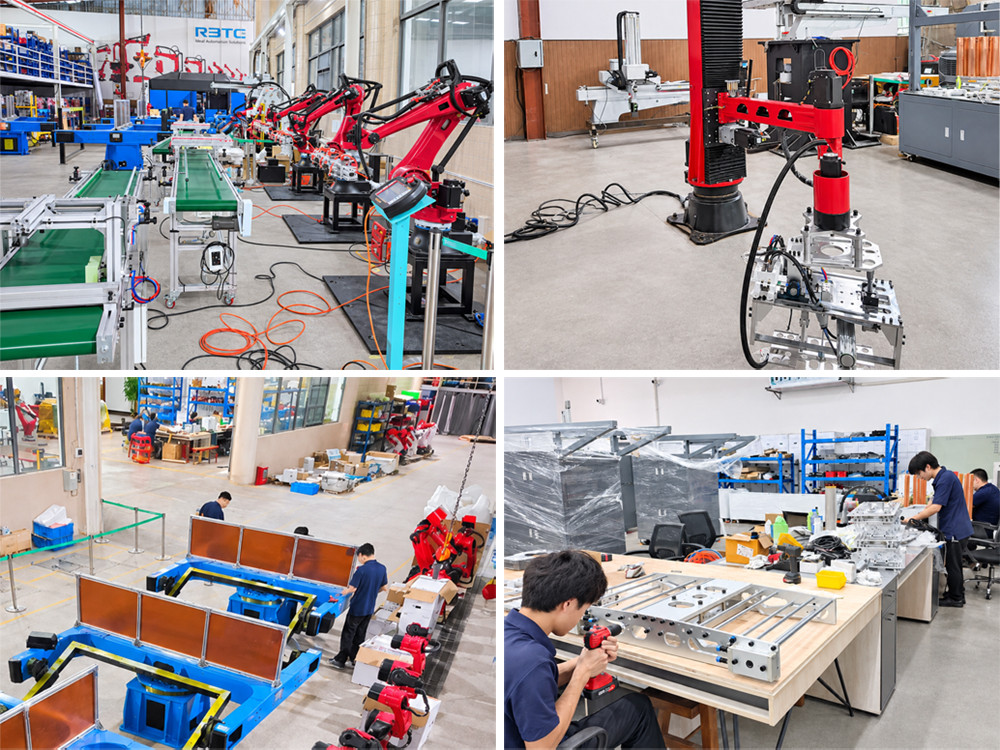
Manufacturing and Assembly Resources in Dongguan, China
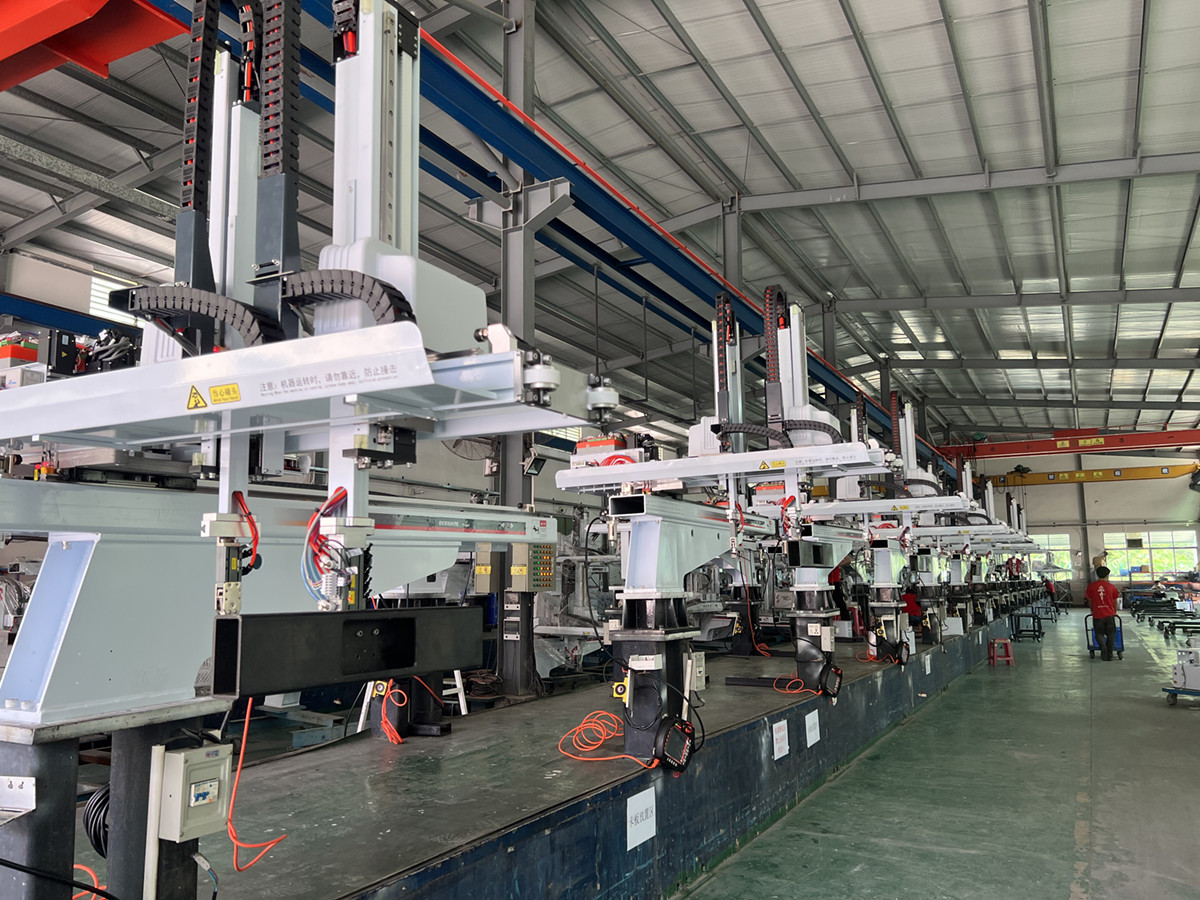
A 12,000 m² factory and assembly area supports robot configuration, equipment preparation, custom tooling and automation projects — so equipment and application engineering come from one supplier.
10+ Years of Robotics Experience
Application planning across multiple manufacturing processes, including injection molding and material handling.
Robot Supply Plus Custom Engineering
EOAT, non-standard auxiliary equipment, robot programming and system integration available alongside standard robots.
International Supply Experience
Robotic equipment supplied to customers in more than 40 countries and regions, including OEM and distribution buyers.
Technical Support After Purchase
Standard 12-month robot warranty, operating documentation, remote troubleshooting and parameter guidance.
Learn more about the company and manufacturing capability behind these injection molding robots: About RBTC and one-stop service capability.
Injection Molding Robot FAQ
Common questions from buyers comparing injection molding robots for plastic part take-out and downstream handling.
What is an injection molding robot?
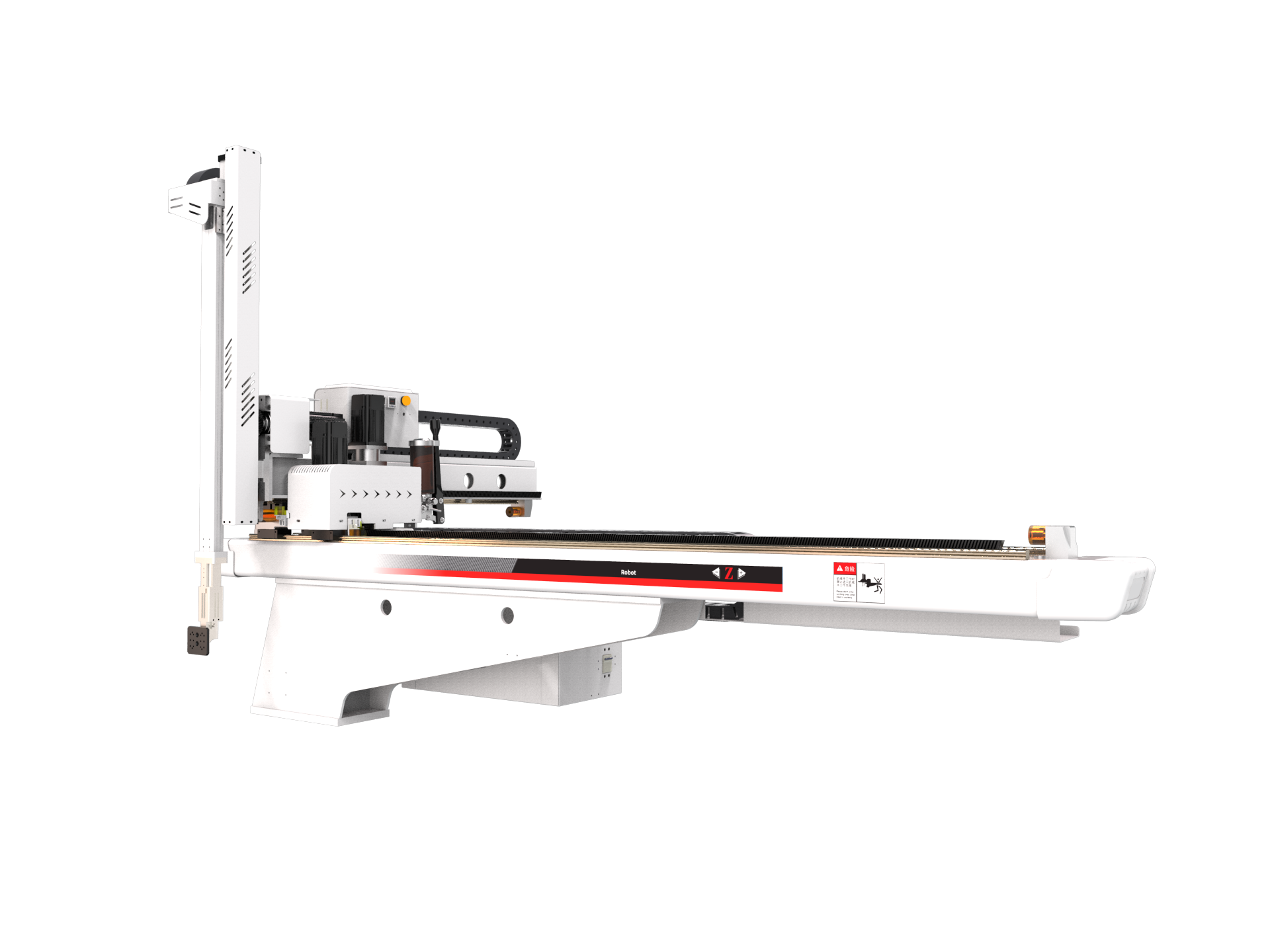
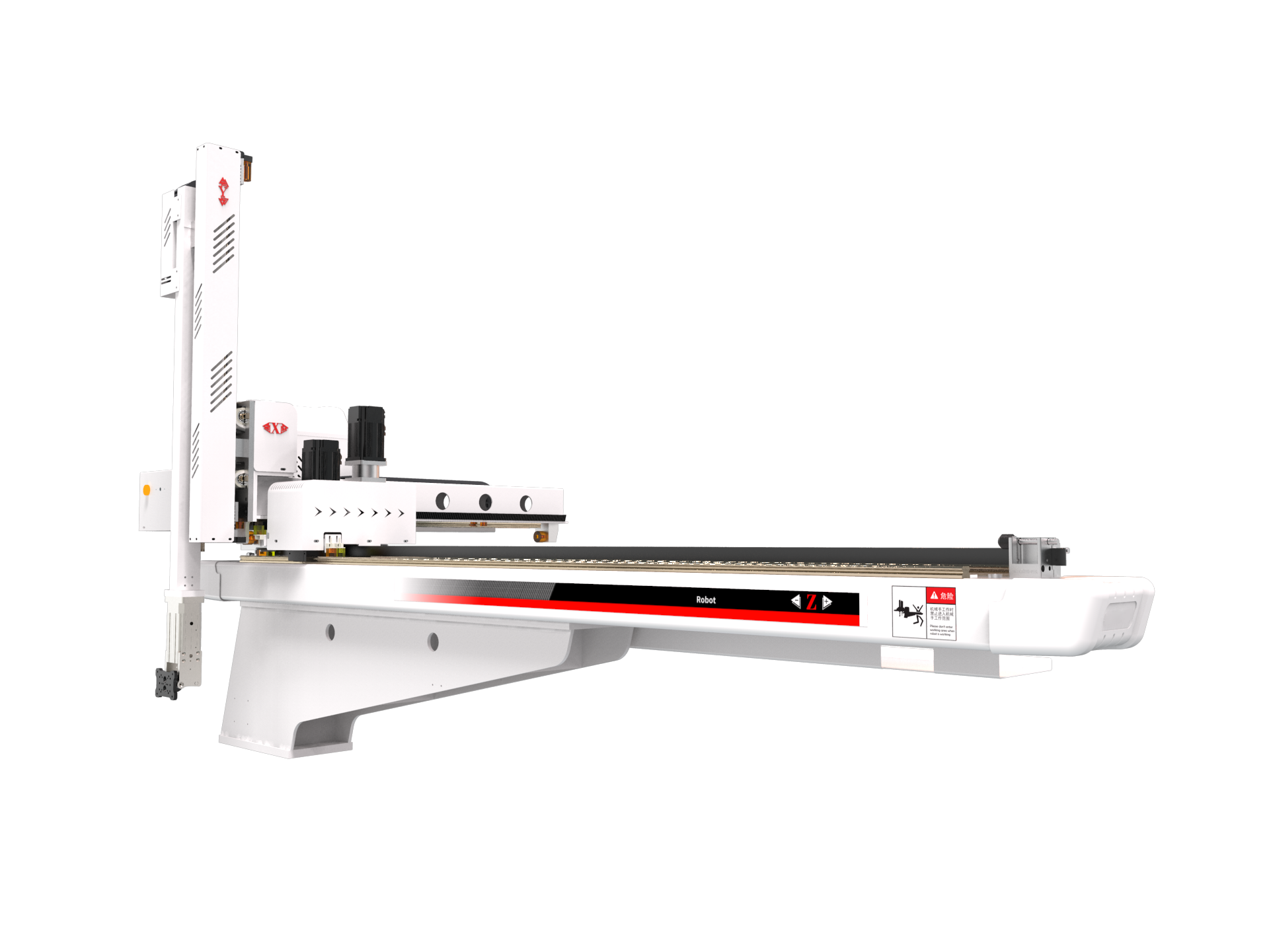
An injection molding robot is automated handling equipment used with an injection molding machine to remove molded products, transfer parts or perform related handling tasks. Depending on configuration and tooling, it may also support sprue handling or integration with other equipment.
How do I choose the right robot for my injection molding machine?
Selection should consider machine tonnage, mold clearance, molded part dimensions, total handling weight, required stroke, target cycle time and machine interface. RBTC reviews these specifications and recommends suitable options.
What is the difference between three-axis and five-axis injection molding robots?
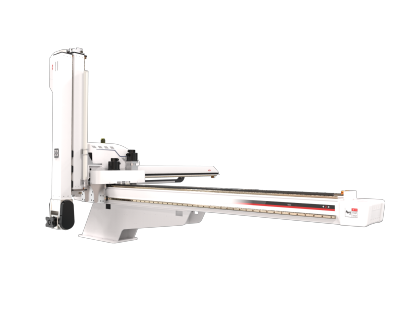
A three-axis servo robot provides controlled movement along three primary axes and suits many standard part-removal applications. A five-axis servo robot offers additional motion flexibility for complex handling or positioning requirements. The better choice depends on the specific mold and production process.
Can RBTC customize end-of-arm tooling for our molded products?
Yes. RBTC supports custom EOAT, grippers and fixtures based on workpiece dimensions, weight, gripping points and required handling process. Additional auxiliary equipment can also be evaluated for specialized applications.
Can an injection molding robot be installed on an existing machine?
Installation may be possible when the robot configuration, mounting arrangement, machine interface and operating requirements are compatible. RBTC can review your existing equipment to assess technical feasibility and any additional integration needs.
Can RBTC supply injection molding robots in bulk?
Yes. RBTC supports single-unit purchasing, multi-unit orders and coordinated equipment supply for manufacturers, distributors, OEM customers and system integrators. Contact our team to discuss quantities, model requirements and delivery arrangements.
How much does an injection molding robot cost?
Cost depends on robot type, number of axes, payload, working stroke, tooling and any additional customization or integration services. Provide your machine specifications and project requirements so RBTC can prepare a suitable quotation.
What technical support and warranty does RBTC provide?
RBTC offers a standard 12-month robot warranty subject to applicable terms, along with technical documentation and remote assistance. Installation guidance, commissioning support and training may also be arranged for applicable projects.
Request a Quote for Injection Molding Robots & Custom Automation
Need the right robot for your machine, mold and production requirement? Whether you are buying a standard take-out robot, sourcing multiple units or planning a custom injection molding automation system, we can help evaluate suitable equipment and engineering options.
Tell Us About Your Project
- Company name and country
- Injection molding machine brand, model and tonnage
- Molded part dimensions and weight
- Required handling process and target cycle time
- Preferred model, if already known
- Estimated order quantity
- Custom EOAT or integration requirements
- Available drawings, photos or production videos